

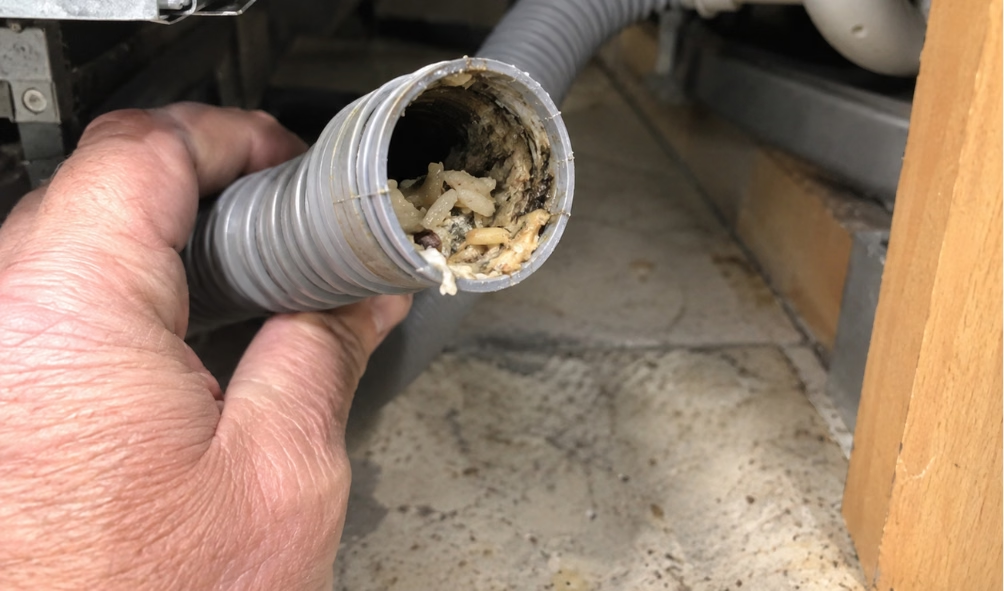
Standing water at the bottom of your dishwasher after a cycle is one of those problems that feels minor until it isn’t. More often than not, the culprit is a clogged drain hose — the flexible tube that carries dirty water from the dishwasher tub to your kitchen drain or garbage disposal.
The good news: this is one of the more approachable dishwasher fixes a homeowner can tackle. The not-so-good news: it does require disconnecting components under and behind the machine, and doing it wrong can cause water damage, electrical hazards, or a bigger repair bill down the road.
This article covers what you need to know — and nothing more. It’s part of our dishwasher repair resource series for Greenville homeowners.
Key Takeaways
- The drain hose is usually the problem when water pools at the bottom of your dishwasher after a full cycle.
- Always cut power first. Unplug the dishwasher or flip the circuit breaker before touching any components.
- Grease, food debris, and mineral buildup are the most common causes of a blocked drain hose.
- A kinked or improperly routed hose can mimic a clog. Check the hose path before assuming it’s blocked.
- Flushing with hot water and baking soda can clear minor clogs without removing the hose.
- Persistent clogs or damaged hoses need a technician. Forcing a clog can crack the hose or damage the pump.
- This is a cluster article. For a full dishwasher diagnosis, visit our Greenville dishwasher repair page.
Safety Disclaimer: Read This Before You Start
Important: Working on a dishwasher involves electricity and water, a combination that demands real caution. If you’re not comfortable working around appliance wiring, under-sink plumbing, or pulling an appliance away from a built-in cabinet, stop here and call a certified technician. There is no shame in that call. It’s the smarter move.
Before touching anything:
- Disconnect power by unplugging the unit or switching off the dedicated circuit breaker
- Turn off the water supply valve under the sink
- Have towels and a shallow pan ready — residual water will spill when you disconnect the hose
- Never work on a hot dishwasher right after a cycle
If you see any signs of mold, cracked hose material, or corrosion around the drain connections, do not proceed with a DIY fix. Those are symptoms of a larger issue that needs professional assessment.
What Causes a Clogged Dishwasher Drain Hose?
The drain hose runs from the dishwasher pump, loops up high under the counter (called a high loop), and connects to either your garbage disposal or the sink drain. In most kitchens, that hose is only a few feet long, but it still collects everything your dishwasher pushes out.
The most common causes of a blockage:
| Cause | What It Looks Like |
|---|---|
| Grease and food debris | Slimy buildup inside the hose, slow draining over time |
| Hard water mineral deposits | White or chalky residue, especially near connections |
| Kinked hose | Sudden drainage failure, no obvious debris |
| Clogged garbage disposal knockout | Water backs up only when disposal is full |
| Blocked air gap (if installed) | Water spitting from the chrome cap on the counter |
The most overlooked cause: a kinked hose. If someone pushed the dishwasher back in after a repair without re-routing the drain hose correctly, it can fold on itself and block flow completely with no debris required.
How to Clear the Clog: Step-by-Step
Work through these steps in order. Start with the least invasive option before disconnecting anything.
Step 1: Try a Hot Water and Baking Soda Flush
Before pulling the dishwasher out, try this first:
- Pour one cup of baking soda followed by one cup of white vinegar into the bottom of the dishwasher tub
- Let it sit for 15 minutes — it will fizz and break down grease buildup
- Follow with the hottest water setting on a short cycle
- Check if the water drains fully
This clears light grease clogs without touching a single connection. If it works, you’re done.
Step 2: Check the Garbage Disposal Connection
If your drain hose connects to a garbage disposal:
- Run the disposal fully to clear any blockage at the inlet.
- On a new disposal, check that the knockout plug was removed from the dishwasher inlet port. That missed step can block drainage completely.
Step 3: Inspect and Clear the Hose Manually
If flushing didn’t work, it’s time to access the hose. With power and water off:
- Pull the dishwasher out from under the counter (remove the mounting screws from the top bracket first)
- Locate the drain hose — it runs from the pump at the bottom of the machine toward the back
- Check the entire length for kinks or sharp bends; straighten any you find
- Disconnect the hose from the pump end (have your pan ready — water will drain out)
- Use a long, flexible bottle brush or a plumber’s snake to push through the hose from both ends
- Flush the hose with hot water in a sink to confirm it’s clear
- Reconnect, reroute carefully with a proper high loop, and push the dishwasher back in
A proper high loop matters. The drain hose should arc up to the underside of the counter before dropping down to the disposal or drain. Without it, dirty water can siphon back into the tub.
Step 4: Inspect the Hose While It’s Out
While you have the hose disconnected, look for:
- Cracks or soft spots in the hose material
- Discoloration or mold inside the hose
- Deteriorated clamps at either connection point
If you find any of these, the hose needs to be replaced — not just cleared. Replacement hoses are inexpensive, but the labor of accessing them is the same either way, so it’s worth replacing it while you’re already in there.
When to Stop and Call a Technician
DIY has a stopping point. Call a certified technician if:
- The clog keeps coming back within a few weeks
- You find the drain pump is making noise or not running at all
- The hose is cracked, brittle, or leaking at the connections
- Water is backing up into the sink as well as the dishwasher
- You can’t safely pull the dishwasher out due to tight cabinetry or flooring
Expertise note: Drain hose issues can sometimes be symptoms of a failing drain pump, a blocked filter assembly, or a check valve problem. A technician can diagnose the full drain system in one visit — not just the hose.
At Appliance GrandMasters, we service dishwashers from LG, Samsung, Bosch, GE, Whirlpool, and more across Greenville and the Upstate. If the DIY steps above didn’t solve it, book a dishwasher repair visit and we’ll get it draining right.
How to Prevent Future Drain Hose Clogs
Prevention is faster than repair. These habits keep the drain hose clear long-term:
- Scrape plates before loading. The dishwasher filter and drain hose weren’t designed to process food chunks. That’s the garbage disposal’s job.
- Run a monthly cleaning cycle. Use a dishwasher cleaner tablet or a cup of white vinegar on the bottom rack with an empty machine. It dissolves grease before it hardens in the hose.
- Clean the filter regularly. A clogged filter forces debris into the drain system. Pull it out, rinse it under running water, and reinstall. Most filters twist out without tools.
- Run hot water at the sink before starting a cycle. This ensures the dishwasher fills with hot water from the first minute, which helps dissolve grease during the wash.
- Check the high loop after any service. Any time the dishwasher is moved or serviced, confirm the drain hose is still properly looped before pushing it back in.
Frequently Asked Questions
How do I know if the drain hose is clogged and not the pump?
If the pump is running (you can hear it humming) but water isn’t draining, the hose or a downstream connection is likely blocked. If the pump is silent during the drain cycle, the pump itself may be the issue. A technician can confirm which component is failing.
Can I use a chemical drain cleaner in my dishwasher?
No. Standard drain cleaners like Drano are too caustic for dishwasher components. They can damage the rubber hose, the pump seals, and the tub lining. Stick to baking soda, vinegar, or dishwasher-specific cleaning tablets.
How long does it take to clear a dishwasher drain hose?
The baking soda flush takes about 30 minutes including the cycle. Manual hose removal and clearing typically takes 45 to 90 minutes depending on how accessible your dishwasher is and how stubborn the clog is.
My dishwasher drains slowly but doesn’t completely back up. Is that the hose?
Slow draining usually points to a partially blocked filter, a partial hose clog, or a sluggish pump. Start by cleaning the filter. If that doesn’t help, move to the hose flush method described above.
How often should I replace the dishwasher drain hose?
Most drain hoses last 5 to 10 years. Replace it sooner if you notice cracking, stiffness, or recurring clogs in the same spot. If your dishwasher is more than 8 years old and needs hose work, it’s worth having a tech assess the full machine at the same time.